
Skate Size Guide: Finding the Perfect Fit
Navigating skate sizing, especially for larger feet like size 15+, requires careful consideration due to limited selections and achieving a comfortable, performance-driven fit․
Understanding Skate Sizing Systems
Skate sizing isn’t always straightforward, differing significantly from standard shoe sizes․ Unlike typical footwear, skate sizing prioritizes a snug, secure fit to maximize control and responsiveness․ This is because skaters rely on precise movements and need to minimize foot movement within the skate․
Several factors contribute to these variations․ Skate construction, intended discipline (inline, quad, ice), and even brand-specific lasts (the foot-shaped form used in manufacturing) all influence sizing․ Understanding these nuances is crucial for avoiding discomfort, blisters, and compromised performance․ A proper fit ensures efficient power transfer and reduces the risk of injury, making a thorough understanding of skate sizing systems essential for all skaters․
US, UK, and EU Skate Size Conversions
Navigating international skate sizing requires a reliable conversion chart, as sizes vary considerably between US, UK, and EU standards․ A US men’s size 10, for example, doesn’t directly equate to a UK or EU size․ These discrepancies stem from differing measurement systems and historical sizing conventions․
Generally, a US men’s size is approximately half a size larger than a UK size, and a full size larger than an EU size; However, these are broad generalizations․ Always consult the specific brand’s size chart, as variations exist․ Utilizing a detailed conversion table is vital when purchasing skates online or from international retailers to ensure an accurate and comfortable fit, preventing costly returns and frustration․
Measuring Your Feet Accurately
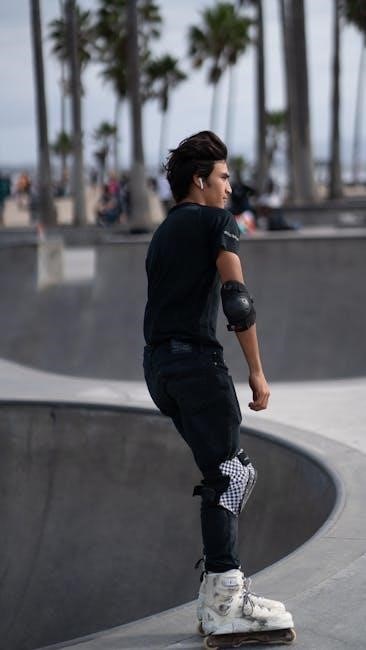
Precise foot measurement is the cornerstone of finding the perfect skate fit, surpassing simply relying on your usual shoe size․ Feet can change size over time, and skate sizing differs from standard footwear․ Measure both feet, as discrepancies are common; use the larger foot as your guide․
Measure in the afternoon or evening, when feet are typically at their largest․ Wear the socks you intend to skate in during measurement․ Accurate measurements, in inches or centimeters, are crucial for referencing brand-specific size charts․ Don’t estimate – precision is key to avoiding discomfort and performance issues while skating․
Using a Brannock Device
A Brannock device, commonly found in shoe stores, offers a highly accurate foot measurement․ Position your heel firmly against the heel cup, ensuring your foot is flat on the device․ Adjust the sliding width gauge to comfortably fit the widest part of your foot․
Note the length measurement where your longest toe aligns with the scale․ Simultaneously, check the arch length measurement․ Use the larger of the two length readings․ A trained salesperson can assist with proper device operation for optimal results․ This method provides a comprehensive assessment, including both length and width, crucial for skate selection․
Tracing Your Foot on Paper
If a Brannock device isn’t accessible, tracing your foot provides a reasonable alternative․ Place a piece of paper larger than your foot on a flat surface․ Stand with your full weight on the paper, ensuring your foot is flat․ Carefully trace around your entire foot, holding the pen vertically․
Measure the length from the heel to the longest toe, and the width at the widest point․ Repeat for both feet, as sizes can vary․ Compare these measurements to skate manufacturer size charts․ Remember to account for sock thickness when tracing and measuring for a more accurate fit․

Skate Types and Their Fit
Different skate disciplines necessitate varying fits for optimal performance and comfort․ Inline skates generally require a snug fit, prioritizing heel hold to maximize power transfer and control․ Quad skates, often used for recreational skating or roller derby, may allow for a slightly more relaxed fit, focusing on stability․
Ice skates demand a precise fit, closely mirroring the foot’s shape, to enhance agility and responsiveness on the ice․ Understanding these nuances is crucial; a size appropriate for inline skating might not translate directly to a comfortable or effective fit in ice or quad skates․
Inline Skate Sizing
Achieving a proper fit in inline skates is paramount for control and efficiency․ Unlike some other skate types, inline skates often benefit from a snug, performance-oriented fit․ Focus on minimal heel lift within the boot – this ensures maximum power transfer during each stride․
Many inline skate brands adhere closely to standard shoe sizing, but it’s wise to consult specific size charts․ Consider the sock thickness you’ll typically wear while skating․ A snug fit shouldn’t equate to discomfort; pressure points indicate a sizing issue requiring adjustment or a different model․
Quad Skate Sizing
Quad skate sizing often prioritizes comfort, particularly for recreational skating and dance styles․ A slightly more relaxed fit compared to inline skates is generally acceptable, allowing for greater foot flexibility and maneuverability․ However, excessive looseness can compromise control and responsiveness․
When trying on quad skates, ensure your toes aren’t cramped within the toe box, and there’s minimal heel slippage․ Pay attention to the width of your foot; quad skates come in various widths to accommodate different foot shapes․ Refer to the manufacturer’s size chart, as sizing can vary between brands and models․
Ice Skate Sizing
Ice skate sizing is notoriously precise, often recommending a fit one-half to one full size smaller than your regular shoe size․ This snug fit is crucial for optimal performance and control on the ice, minimizing foot movement within the boot․ However, overly tight skates can cause discomfort and restrict circulation․

When trying on ice skates, wear the socks you intend to skate in․ Flex your knees as if skating to assess the fit; your heel should remain firmly locked in place, with minimal lift․ Pay close attention to pressure points, particularly around the toes and ankles․

Sizing Considerations for Different Skill Levels
Skate sizing isn’t one-size-fits-all; it depends heavily on your skating ability․ Beginner skaters should prioritize comfort and a slightly looser fit, allowing for foot movement and preventing blisters during learning․ A little extra room is preferable to a painfully tight skate․
Intermediate and advanced skaters, however, require a performance fit – snug and supportive․ This minimizes energy loss and maximizes control, crucial for more complex maneuvers․ A precise fit enhances responsiveness and allows for better power transfer․ Don’t compromise on a secure heel hold and minimal internal space․
Beginner Skaters: Prioritizing Comfort
For those new to skating, comfort is paramount․ A slightly larger skate allows for foot movement and reduces pressure points, preventing blisters and discomfort during the learning process․ Don’t worry about a super-snug fit initially; focus on being able to wiggle your toes․
Prioritize a skate that feels good right away, as breaking in a tight skate can be discouraging․ A little extra padding in the liner can also enhance comfort․ Remember, building confidence is key, and painful feet will hinder your progress․ A comfortable skate encourages practice and enjoyment!
Intermediate & Advanced Skaters: Performance Fit
As skill progresses, a precise, performance-oriented fit becomes crucial․ Intermediate and advanced skaters need minimal foot movement within the skate to maximize energy transfer and control․ A snug fit enhances responsiveness and allows for better technique execution․
Expect a break-in period for higher-performance skates, potentially involving heat molding or custom footbeds․ Focus on heel hold and ankle support – these are vital for stability and preventing injuries․ While comfort remains important, it takes a backseat to precision and responsiveness․ A well-fitted skate becomes an extension of your feet!
Specific Sizing Challenges: Large Feet (Size 15+)
Finding skates in size 15 and above presents unique difficulties․ Availability is significantly limited across brands and skate types, requiring extensive searching and potentially ordering online․ Larger feet often require wider widths to avoid compression and discomfort, exacerbating the search․
Prioritize brands known to cater to larger sizes and be prepared for higher price points․ Thoroughly review return policies before purchasing․ Customization, like heat molding, may be essential for achieving a proper fit․ Don’t compromise on fit – a poorly fitting skate can lead to blisters, pain, and reduced performance․
Width Considerations: Narrow, Standard, Wide
Skate widths are as crucial as length for optimal comfort and performance․ Skates come in narrow, standard, and wide options to accommodate varying foot shapes․ A too-narrow skate will pinch, causing discomfort and potentially blisters, while a too-wide skate offers insufficient support․
Most brands offer standard widths, but those with narrow or wide feet should actively seek alternatives․ Look for models specifically designed for wider feet or consider heat-molding to customize the fit․ Properly assessing your foot width ensures stability, control, and prevents long-term foot problems․
Trying on Skates: What to Look For
When trying on skates, prioritize a snug, secure fit without excessive pressure․ Begin by wearing the socks you’ll skate in․ Focus on heel hold – your heel should be locked in place with minimal lift․ Ankle support is vital; ensure the skate provides adequate stability without restricting movement․
Check for sufficient toe room; you should have about a thumb’s width of space at the end․ Press on the toe box to identify potential pressure points․ Walk around and mimic skating motions to assess overall comfort and identify any areas of rubbing or discomfort before purchasing․
Heel Hold and Ankle Support
Proper heel hold is paramount for effective power transfer and control while skating․ A secure heel prevents slippage, enhancing responsiveness and reducing energy loss․ When trying on skates, ensure your heel remains firmly planted with minimal lifting during forward flex․
Adequate ankle support is equally crucial, providing stability and preventing unwanted lateral movement․ The skate should comfortably cradle your ankle without overly restricting its range of motion․ Look for padding and a supportive cuff design that enhances stability and minimizes the risk of injury during skating maneuvers․
Toe Room and Pressure Points

Sufficient toe room is essential for comfort and preventing painful pressure during skating․ You should have approximately a thumb’s width of space between your longest toe and the end of the skate’s toe box․ This allows for natural foot movement and prevents toes from being cramped or hitting the front of the skate․
While trying on skates, carefully check for any pressure points, particularly along the sides of your feet, around the ankles, and over the top of your instep․ Discomfort in these areas can lead to blisters or pain during extended skating sessions․ Address any pressure points before purchasing, as they are unlikely to disappear with break-in․
Break-In Period and Adjustments
Most skates require a break-in period to achieve optimal comfort and performance․ This involves wearing the skates for shorter durations initially, gradually increasing the time as the padding molds to your feet․ Expect some initial stiffness and minor discomfort, which should lessen with use․
Adjustments, such as tightening or loosening buckles and laces, are crucial during this phase․ Experiment with different lacing techniques to find what provides the best support and comfort․ Heat molding, available at some skate shops, can accelerate the break-in process for certain skate models, customizing the fit to your unique foot shape․
Brands Known for Wider Sizes

For skaters with wider feet, selecting brands that cater to broader foot shapes is essential for a comfortable and secure fit․ Several manufacturers consistently receive positive feedback for offering wider skate models․
Riedell is often recommended for its accommodating fit, particularly in quad skates․ Rollerblade frequently provides wider options within their inline skate range, and K2 also offers models designed for broader feet․ Luigino is another brand known for customizable options and wider lasts․ Researching specific models within these brands is crucial, as not all skates will be wide-fitting․
Online vs․ In-Store Skate Fitting
The debate between online and in-store skate fitting centers around convenience versus personalized expertise․ While online shopping offers a wider selection and potentially lower prices, it lacks the benefit of professional measurement and trying on skates․
In-store fitting allows for accurate foot measurement, assessment of arch support needs, and immediate feedback on fit and comfort․ Experienced staff can guide you towards appropriate brands and models․ Online purchases require diligent research, utilizing size charts, and understanding return policies․ Consider visiting a local skate shop for initial sizing before purchasing online, if possible․

Resources for Finding Skate Size Information

Numerous resources are available to aid in determining your ideal skate size․ Manufacturer size charts are a crucial starting point, though variations exist between brands; always consult the specific chart for your chosen skate․
Online skate communities and forums provide valuable insights from experienced skaters who can share sizing advice and brand-specific fit information․ Websites dedicated to skating often feature detailed guides and reviews․ Don’t hesitate to leverage these collective experiences․ Remember to cross-reference information and prioritize professional fitting when possible for the most accurate results․
Manufacturer Size Charts
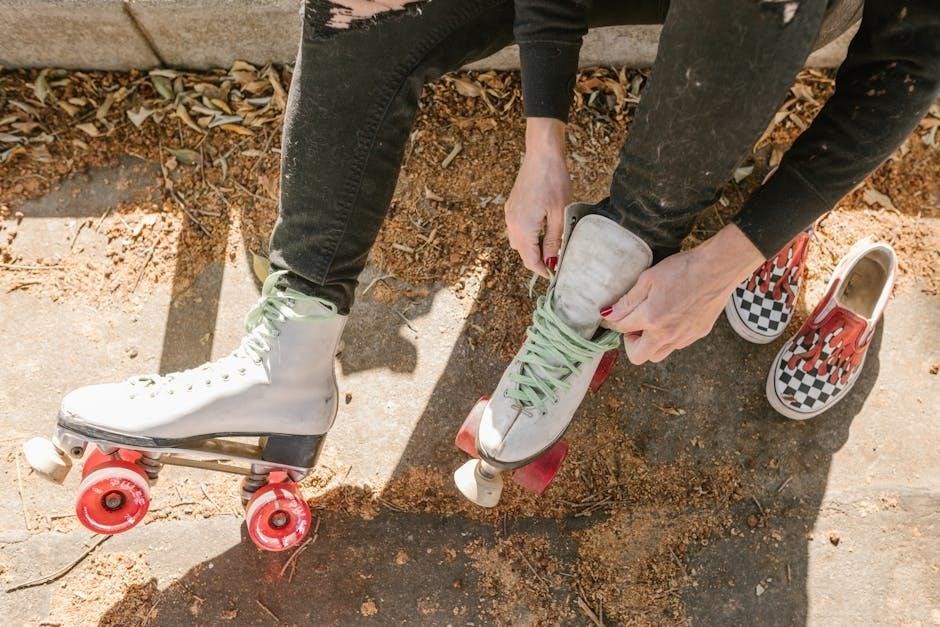
Each skate manufacturer provides a unique size chart, making it a critical first step in finding the right fit․ These charts typically correlate foot length (in inches or centimeters) with corresponding skate sizes․
However, be aware that sizing can vary significantly between brands․ A size 9 in one brand might feel different in another․ Always prioritize the chart specific to the skate you intend to purchase․ Some charts also include width measurements, offering a more precise recommendation․ Utilize these resources diligently, but remember they are guidelines, and individual foot shapes can influence the optimal size․
Online Skate Communities and Forums
Engaging with online skate communities and forums offers invaluable insights from experienced skaters facing similar sizing challenges․ These platforms provide a space to ask questions, share experiences, and receive personalized recommendations based on specific skate models and foot types․
Skaters often discuss sizing nuances for different brands and styles, offering real-world feedback beyond manufacturer charts․ Searching past threads can reveal solutions for common fit issues․ Remember to specify your skill level and intended skate discipline when seeking advice․ This ensures responses are tailored to your needs, helping you navigate the complexities of skate sizing effectively․